
Traditional vs Infrared Saunas: Which One Is Right for You?
If you’re considering investing in a home sauna, one of the first questions you’ll probably ask is: traditional or infrared?
Both types of sauna can become a valuable part of a wellness routine, but they create very different experiences.
A traditional sauna surrounds you with intense heat, hot stones and the option to introduce steam. Infrared saunas use infrared panels to warm your body at lower ambient temperatures.
So, which one is better?
The answer depends on what you want from your sauna — and how you imagine using it.
For Australians looking for an authentic sauna experience outdoors, a traditional cedar sauna offers something that infrared simply cannot replicate: the combination of high heat, natural timber, steam, ritual and atmosphere.

Here’s what to consider before making your choice.
Traditional vs Infrared: What’s the Difference?
The biggest difference is how the heat is delivered.
A traditional sauna uses a heater and sauna stones to heat the air inside the room. As the temperature rises, your body warms through the surrounding hot air and radiant heat from the stones. You can also pour water over the stones to create steam and adjust the humidity.
Traditional saunas typically operate at much higher temperatures, often around 70–100°C, depending on the sauna, heater and personal preference.
Infrared saunas work differently. Rather than primarily heating the surrounding air, infrared panels emit infrared energy that warms the body directly. Because the ambient temperature is lower, infrared sessions can feel gentler and more accessible to people who don't enjoy extremely high temperatures.
Neither approach is inherently "wrong". They simply provide different experiences.
1. Think About the Experience You Want
This is arguably the most important consideration.
A traditional sauna is more than a hot room. It's an experience.
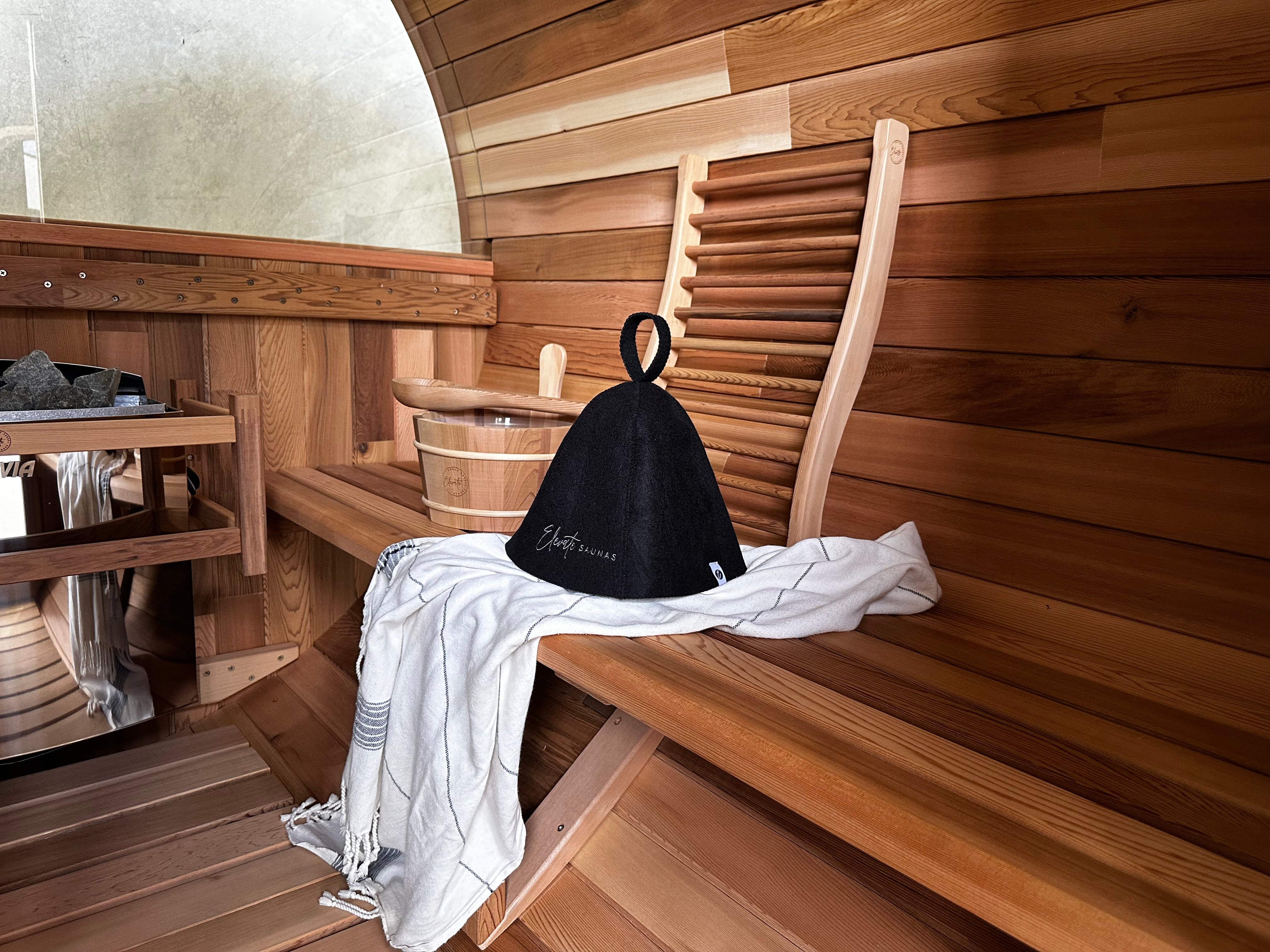
Picture stepping into a warm cedar interior, feeling the heat build around you, hearing the gentle crackle or hum of the heater and pouring water over the stones to create a wave of steam.
There's a sense of ritual involved.
Traditional sauna bathing has deep roots in Finnish and Scandinavian culture, and that heritage is part of what makes the experience so appealing.
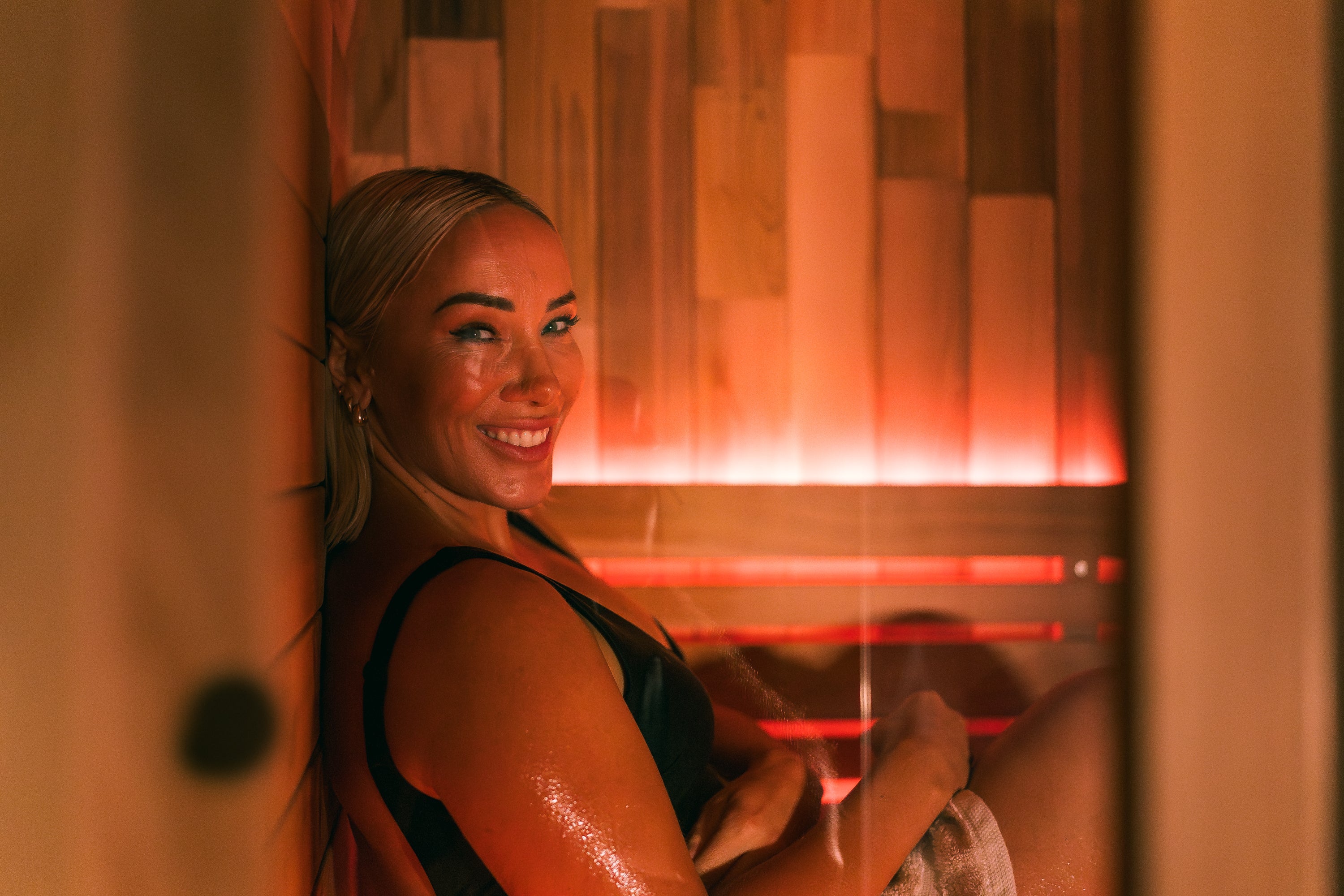
Infrared is generally more minimalist. There's no need for sauna stones or steam, and the lower operating temperature can make it easier to jump in for a quick session.
Choose traditional if you want:
-
High, enveloping heat
-
The option of steam
-
A classic sauna atmosphere
-
Natural timber and cedar aroma
-
A more immersive wellness ritual
-
A sauna you can enjoy with family or friends
Choose infrared if you prefer:
-
Lower ambient temperatures
-
A gentler heat experience
-
Simple, heat-on-demand sessions
-
A compact indoor setup
-
Minimalist functionality
2. Traditional Saunas Offer More Control Over Heat and Humidity
One of the unique advantages of a traditional sauna is the ability to change the atmosphere during your session.
With a traditional heater and stones, you can control the experience by adjusting the temperature and adding water to the stones.
A small amount of water creates a burst of steam, known as löyly, which temporarily increases humidity and intensifies the sensation of heat.
It's one of the defining characteristics of traditional sauna bathing.
Infrared saunas generally provide a dry heat experience without this ability to create steam.
If you like the idea of changing the intensity of your sauna session rather than simply switching the heater on and off, traditional gives you more flexibility.
3. Consider Where Your Sauna Will Live
Your available space can also influence the decision.
Infrared saunas are often designed for indoor use and can be appealing where space is limited.
Traditional saunas, on the other hand, are particularly well suited to outdoor environments.
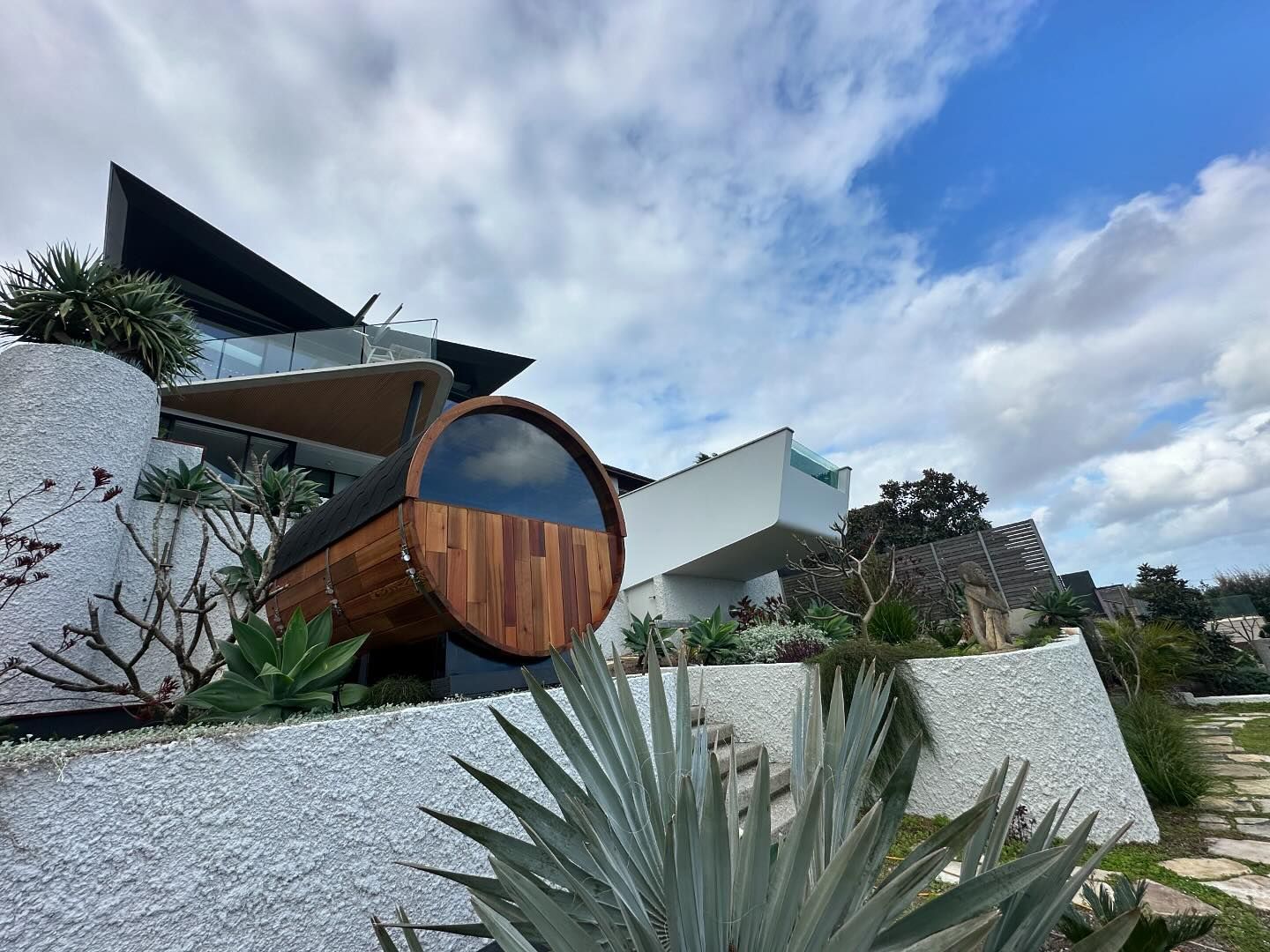
For an Australian backyard, a traditional cedar sauna can become much more than a wellness appliance. It can form part of the landscape alongside a pool, garden, deck or outdoor entertaining area.
At Elevate Saunas, our traditional outdoor saunas are made from Canadian Western Red Cedar, selected for its natural durability, stability and suitability for outdoor environments.
The result is a sauna that feels like a permanent part of your backyard rather than another appliance inside the home.

4. Don't Underestimate the Importance of Timber
If you're comparing traditional outdoor saunas, look beyond the heater.
The timber is a major part of the sauna itself — from how it looks and smells to how it performs over years of outdoor use.
Western Red Cedar is particularly well suited to sauna construction because it is naturally resistant to moisture and decay, has good dimensional stability and remains comfortable to touch in a hot sauna environment.
At Elevate, we use Canadian Western Red Cedar across our traditional sauna range, including our barrel and cube designs.
For many homeowners, this natural material is part of the appeal. There's something very different about stepping into a genuine timber sauna compared with entering a manufactured enclosure filled with electronic heating panels.
5. Which Sauna Is Better for Regular Use?
The best sauna is ultimately the one you'll actually use consistently.
If you love the feeling of intense heat and look forward to a dedicated sauna ritual, a traditional sauna can become something you genuinely enjoy making time for.
If you prefer shorter, lower-temperature sessions and convenience is your priority, infrared may be the better fit.
There's no point choosing a sauna based solely on specifications if you don't enjoy using it.
Think about your lifestyle:
Do you want a daily ritual?
Traditional sauna can turn your session into a deliberate opportunity to slow down, switch off and reset.
Do you want convenience?
Infrared may appeal if you want a simple, lower-temperature session without waiting for a traditional sauna to reach operating temperature.
Do you want to share the experience?
A traditional outdoor sauna can be a social space for couples, families and friends.
Do you want a personal wellness space?
Infrared can be particularly attractive for those looking for a more compact, individual setup.
6. What About Sauna Benefits?
Both traditional and infrared saunas are used as part of wellness and recovery routines.
Sauna bathing can promote sweating and relaxation, and heat exposure has been studied for a range of potential health effects. However, it's important to be cautious about marketing claims around "detoxification", weight loss or specific medical outcomes.
A sauna should complement a healthy lifestyle rather than be treated as a cure-all.
Traditional sauna bathing has a particularly long history of use and a substantial body of research behind it. Infrared sauna research is also developing, but the two forms of heat exposure shouldn't automatically be assumed to provide identical effects.
Ultimately, consistency matters. The sauna that fits naturally into your lifestyle and that you genuinely enjoy using is likely to be the one you'll get the most value from.
Traditional vs Infrared Sauna: At a Glance
| Traditional Sauna | Infrared Sauna | |
|---|---|---|
| Heat | High-temperature air | Lower ambient temperature |
| Typical temperature | Approx. 70–100°C | Approx. 40–60°C |
| Steam | Yes, using water on sauna stones | No |
| Heating method | Heater and stones | Infrared panels |
| Atmosphere | Immersive, traditional and sensory | Simple and minimalist |
| Outdoor suitability | Excellent | Usually designed for indoor use |
| Natural timber experience | Yes | Depends on model |
| Best suited to | Sauna enthusiasts, families and outdoor wellness spaces | Individual, convenient lower-temperature sessions |
So, Which Should You Choose?
If you're still undecided, ask yourself one simple question:
What do I want my sauna to feel like?
If the answer is hot, immersive, natural, social and ritualistic, a traditional sauna is likely to be the better choice.
If you want gentler heat, simple operation and a compact personal wellness space, infrared may be worth considering.
At Elevate Saunas, we chose to specialise in traditional outdoor saunas because we believe the authentic sauna experience is something worth bringing home.
Our handcrafted cedar saunas combine premium Canadian Western Red Cedar with proven traditional sauna principles, creating a space designed for relaxation, recovery and everyday enjoyment.
Ready to Choose Your Sauna?
Choosing a sauna is an investment in your home and your lifestyle, so take the time to consider how you want to use it.
Think about your preferred temperature, available space, whether you want steam, who will use the sauna and whether you want your sauna indoors or as a feature of your outdoor space.
And if you're looking for the classic sauna experience, explore the Elevate range of traditional cedar saunas and discover how you can create your own backyard wellness ritual.
Elevate your everyday.